
One of the most important decisions entrepreneurs and professionals face when starting or growing a business is choosing the right business structure.
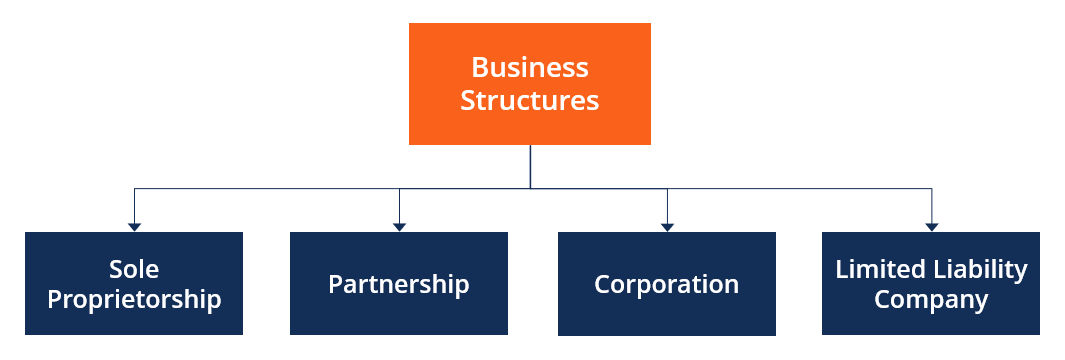
Two of the most common options are sole proprietorship and incorporation. While both structures allow you to operate a business, they differ significantly in terms of taxes, liability, financial flexibility, and long-term strategy.
Understanding the financial implications of each option can help business owners make decisions that support long-term stability and growth.
What Is a Sole Proprietorship?
A sole proprietorship is the simplest and most common business structure. In this model, the business and the owner are legally the same entity.
This means:
- The owner receives all profits directly
- Business income is reported on the owner's personal tax return
- The owner assumes full legal and financial responsibility for the business
Sole proprietorships are often chosen because they are easy to establish and require minimal administrative work.
What Is Incorporation?
Incorporation creates a separate legal entity that exists independently from the owner.
With an incorporated business:
- The company becomes its own legal entity
- The owner becomes a shareholder or director
- Business income is taxed at corporate rates
- Liability may be limited to the company rather than the individual
Incorporation typically involves more administrative requirements but can provide greater financial flexibility.
Key Financial Differences
1️⃣ Tax Structure
One of the biggest differences between these structures is taxation.
Sole Proprietorship
- Business income is taxed as personal income
- Higher earnings may push the owner into higher tax brackets
Incorporation
- Business profits are taxed at corporate tax rates
- Owners may control income through salary or dividends
For some high-income professionals, this flexibility can provide tax planning advantages.
2️⃣ Liability Protection
Liability exposure is another major consideration.
Sole Proprietors
- Personally responsible for debts and legal obligations
- Personal assets may be at risk in certain situations
Incorporated Businesses
- Liability may be limited to the corporation
- Personal assets may have more protection depending on circumstances
This separation can be particularly important in industries with higher financial or legal risk.
3️⃣ Income Flexibility
Incorporated businesses often allow greater flexibility in how income is distributed.
For example:
- Owners may receive salary
- Dividends may be issued
- Profits can remain in the company for reinvestment
This flexibility can help business owners plan for taxes, investments, and long-term growth.
4️⃣ Growth Potential
As businesses grow, their financial structure often becomes more important.
Incorporation can sometimes make it easier to:
- Raise capital
- Bring in partners or investors
- Create structured financial planning strategies
While sole proprietorships may work well in the early stages, some entrepreneurs transition to incorporation as their businesses expand.
When Does Incorporation Make Sense?
Incorporation may become financially beneficial when:
- Business income increases significantly
- Liability protection becomes a priority
- Tax planning flexibility becomes valuable
- Long-term growth or expansion is planned
However, every situation is different. The right structure depends on the business model, income level, and long-term goals.
Final Thoughts
Choosing between a sole proprietorship and incorporation is not only a legal decision — it is also a financial strategy decision.
The right structure can help business owners improve tax efficiency, protect personal assets, and build a stronger foundation for long-term financial growth.
Understanding these differences allows entrepreneurs to make informed decisions that align with their financial goals.
Book a Private Financial Strategy Session
If you are a business owner or professional in the U.S. or Canada and want clarity on the most effective financial structure for your situation, Terces Finance offers confidential strategy consultations.
During your session, we will review:
✔ Your current business structure
✔ Tax efficiency opportunities
✔ Income structuring strategies
✔ Long-term financial planning options