
Investing is often approached with a focus on returns — which assets to buy, when to enter the market, and how to maximize performance.
However, one of the most overlooked aspects of investing is alignment.
Without alignment between your investments and your long-term goals, even a well-performing portfolio may fail to deliver meaningful financial outcomes.
True financial progress comes from ensuring that your investments are structured to support where you want to go — not just how much you can earn.
Why Alignment Matters in Investing
Every investment decision should serve a purpose.
When investments are not aligned with long-term goals, common issues arise:
- Taking on unnecessary risk
- Holding assets that don’t match time horizons
- Reacting emotionally to market movements
- Lacking clarity on financial progress
Alignment creates direction. It ensures that each financial decision contributes to a broader, well-defined objective.
Step 1️⃣ Define Your Long-Term Goals Clearly
Before selecting investments, it’s important to define what those investments are meant to achieve.
Examples of long-term goals may include:
- Financial independence
- Retirement planning
- Business expansion
- Funding education
- Building generational wealth
Clear goals provide the foundation for every investment decision that follows.
Step 2️⃣ Match Investments to Time Horizon
Different goals require different investment timelines.
For example:
- Short-term goals may require more stable, liquid investments
- Long-term goals may allow for greater exposure to growth-oriented assets
Misalignment between investment type and time horizon can lead to unnecessary financial stress or poor decision-making.
Step 3️⃣ Align Risk With Financial Objectives
Risk should not be taken arbitrarily — it should be aligned with both your goals and your financial capacity.
This means:
- Avoiding excessive risk for short-term objectives
- Accepting appropriate levels of risk for long-term growth
- Structuring portfolios to balance growth and stability
When risk is aligned with purpose, investment decisions become more intentional and sustainable.
Step 4️⃣ Create a Structured Investment Framework
A structured approach to investing ensures consistency over time.
This may include:
- Asset allocation strategies
- Regular investment contributions
- Portfolio rebalancing
- Periodic performance reviews
Structure helps maintain alignment even as financial circumstances evolve.
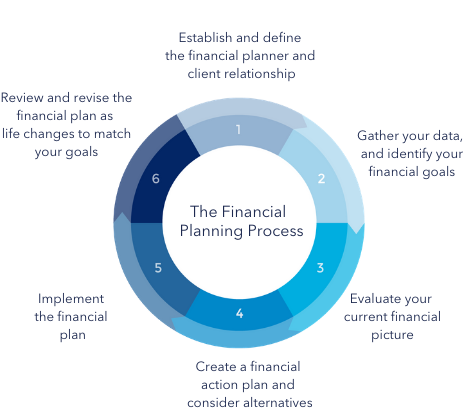
Step 5️⃣ Review and Adjust Over Time
Financial goals and circumstances change.
As a result, investment strategies should be reviewed periodically to ensure continued alignment.
This allows investors to:
- Adjust to life changes
- Respond to shifts in financial priorities
- Maintain long-term focus
Consistent review helps prevent drift from original objectives.
Final Thoughts
Successful investing is not just about choosing the right assets — it is about ensuring that every investment decision supports a clear and meaningful objective.
When investments are aligned with long-term goals, financial decisions become more focused, disciplined, and effective.
Over time, this alignment can significantly improve both financial outcomes and overall confidence in your strategy.
Take a Step Back and Review Your Investment Direction
If you’ve been focusing primarily on returns, it may be valuable to pause and consider how well your current investments align with your long-term goals.
A simple review of your portfolio, time horizons, and financial objectives can often reveal opportunities for better alignment and improved long-term outcomes.
For those who want a more structured perspective, professional financial strategy conversations can provide clarity on how to align investments more effectively with long-term plans.