
Building wealth is important. Protecting it is equally critical.
Many professionals and business owners focus heavily on increasing income and growing investments, yet overlook one essential element of financial strategy: asset protection through smart structuring.
Without proper financial structure, accumulated wealth may be exposed to unnecessary risks including legal liabilities, tax inefficiencies, and poor financial organization.
Smart structuring helps ensure that the wealth you build is also protected, preserved, and positioned for long-term growth.
What Is Financial Structuring?
Financial structuring refers to the intentional organization of assets, income, investments, and legal entities to support long-term financial goals.
A well-structured financial system typically considers:
- Business structures
- Asset ownership
- Tax efficiency
- Risk management
- Estate planning
Rather than reacting to financial challenges, structured planning allows individuals to proactively create a framework that protects their assets.
Why Asset Protection Matters
As wealth grows, so does financial complexity.
Professionals, investors, and business owners may face risks such as:
- Legal liability from business activities
- Unexpected financial disputes
- Tax inefficiencies
- Estate planning complications
Without a structured approach, these risks can potentially impact personal assets and long-term financial security.
Smart structuring reduces exposure while improving overall financial organization.
1️⃣ Separate Personal and Business Assets
One of the most fundamental asset protection strategies is separating personal finances from business activities.
This may involve:
- Establishing the appropriate business entity
- Maintaining separate financial accounts
- Structuring income appropriately
When personal and business finances are clearly separated, financial risk can often be better managed.
2️⃣ Use Strategic Ownership Structures
Asset ownership plays an important role in financial protection.
Depending on the situation, individuals may benefit from structuring ownership through:
- Business entities
- Trust structures
- Joint ownership arrangements
These structures can help organize financial responsibilities while supporting long-term planning objectives.
3️⃣ Align Investments With Risk Management
Investment portfolios should not only focus on returns but also consider risk exposure.
Smart structuring may include:
- Diversification across asset classes
- Strategic asset allocation
- Evaluating how investments are held and taxed
This allows investors to manage both growth and protection simultaneously.
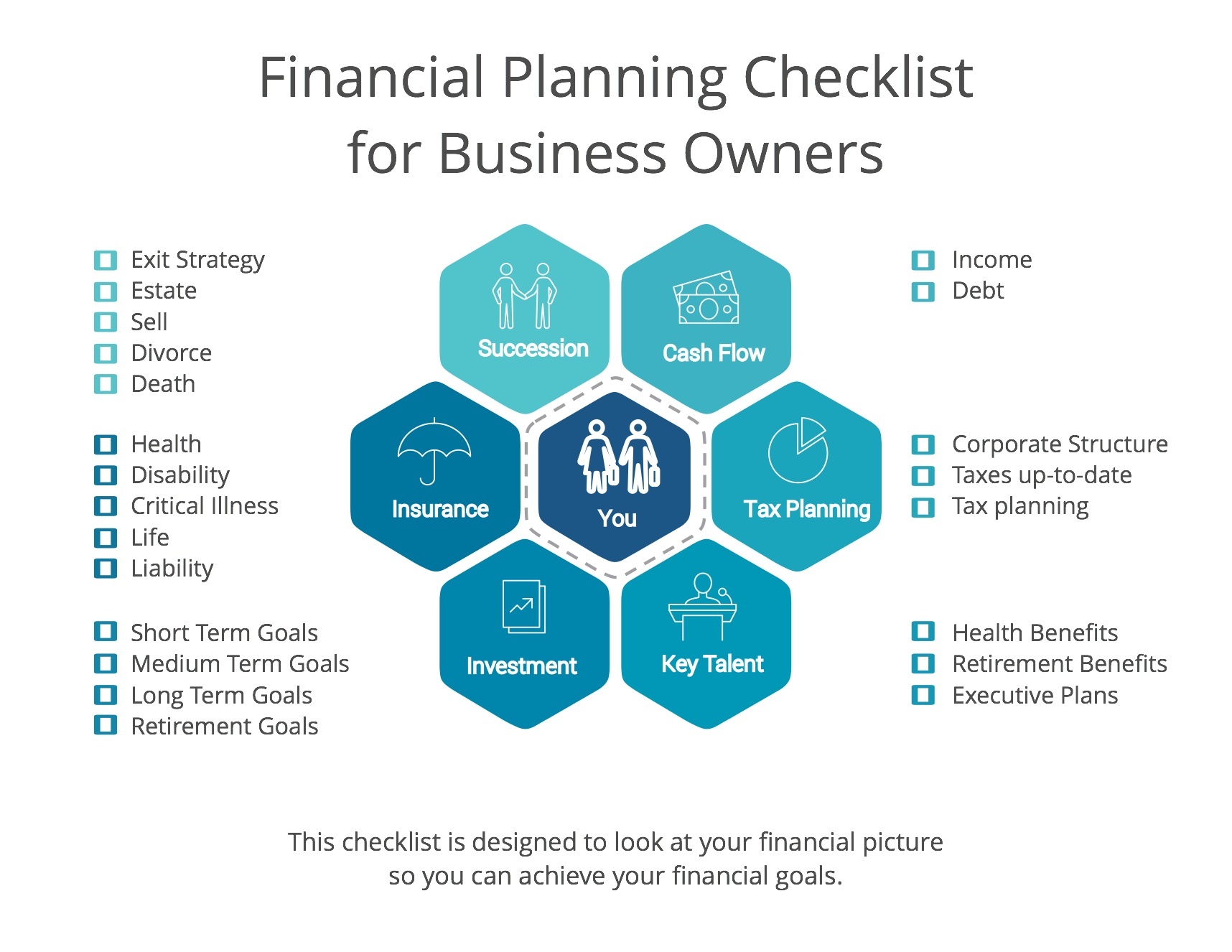 4️⃣ Plan for Taxes and Estate Transitions
Asset protection is closely tied to tax and estate planning.
A structured financial strategy considers:
- Tax efficiency
- Wealth transfer planning
- Long-term family financial stability
By planning ahead, individuals can avoid unnecessary financial complications later.
Final Thoughts
Wealth building and wealth protection should always go hand in hand.
Smart financial structuring helps ensure that your assets are not only growing but also organized, protected, and aligned with your long-term financial goals.
When structure is in place, financial decisions become clearer and long-term stability becomes easier to maintain.
Book a Private Financial Strategy Session
If you are a professional, investor, or business owner in the U.S. or Canada and want to strengthen your financial structure and asset protection strategy, Terces Finance offers confidential financial strategy consultations.
During your consultation, we will review:
✔ Your financial structure
✔ Asset protection considerations
✔ Tax efficiency opportunities
✔ Long-term financial planning strategies